

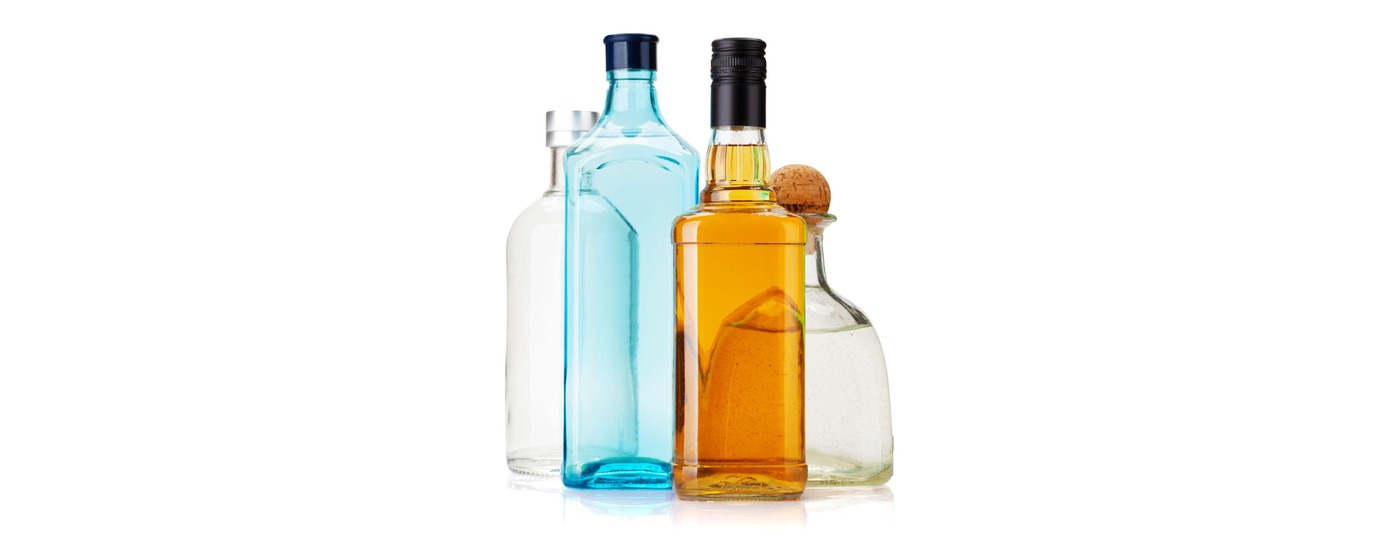
When consumers see a bottle on a crowded retail shelf, they make judgments about the product before they ever taste it.
Is it premium or affordable? Traditional or modern? Handcrafted or mass-market? Bold or sophisticated?
The shape of the bottle plays an important role in creating these first impressions.
For spirits brands, a Custom Glass Bottles program is much more than packaging. It is a physical representation of the brand. The silhouette, proportions, shoulders, base, neck, and overall weight can all contribute to how consumers perceive the product.
This is why successful liquor bottle design starts with more than aesthetics. A bottle needs to communicate the right message while also being practical to manufacture, fill, transport, and decorate.
In this article, we'll explore how bottle shape affects brand perception and the key considerations when developing a custom glass bottle for your spirits or beverage brand.
Why Bottle Shape Matters
A bottle is often one of the first physical touchpoints between a consumer and a brand.
Before reading the label or learning about the product, consumers can see:
- The overall silhouette
- Bottle proportions
- Glass clarity
- Bottle weight
- Base thickness
- Shoulder shape
- Neck design
- Closure
- Decorative details
Together, these elements create a visual language for the product.
A tall, slender bottle can communicate a very different impression from a short, wide bottle. A heavy base can create a substantial feel, while a lightweight bottle may communicate simplicity and efficiency.
There is no universally "best" bottle shape. The right shape depends on the personality and positioning of the brand.
1. Tall and Slender Bottles Can Create an Elegant Impression
Tall, narrow bottles are frequently associated with elegance, sophistication, and contemporary design.
This type of silhouette can work particularly well for:
- Premium gin
- Vodka
- Liqueurs
- Aperitifs
- Contemporary spirits
A tall bottle can also provide a generous vertical surface for labels, screen printing, or other decoration.
However, height should always be considered alongside packaging and logistics. A bottle that is unusually tall may require different cartons, pallets, and shipping configurations.
The goal is to create an elegant silhouette without sacrificing practicality.
2. Short and Wide Bottles Can Feel Substantial and Premium
A shorter, wider bottle can communicate a sense of weight, strength, and substance.
This design language is often associated with:
- Premium whiskey
- Bourbon
- Aged spirits
- Luxury rum
- Limited editions
A broad shoulder and substantial base can make the bottle feel particularly solid in the consumer's hand.
For premium spirits, this physical experience can become an important part of the product presentation.
However, a wider bottle requires more shelf space and may affect shipping efficiency. These considerations should be addressed during the design stage.
3. Heavy Bases Can Reinforce a Premium Positioning
The base is one of the easiest ways to change the physical character of a bottle.
A thick glass base adds weight and can give a bottle a more substantial feel.
This is one reason why many luxury spirits use heavy-base glass bottles.
However, adding weight also has consequences. More glass means:
- Higher material consumption
- Higher manufacturing costs
- Greater bottle weight
- Higher transportation costs
- Potentially greater environmental impact
The objective should not simply be to make the bottle heavier. Instead, the bottle should have the right amount of weight for the brand positioning and commercial objectives. For a full look at how these choices affect pricing, see: How Much Does a Custom Glass Bottle Cost?
Modern bottle engineering can help achieve a premium appearance without unnecessarily increasing glass weight.
4. The Shoulders Create a Distinctive Silhouette
The transition between the body and neck—the bottle shoulders—is an important design feature.
Broad, rounded shoulders can create a traditional or robust appearance, while sharply defined shoulders can create a more architectural and contemporary look.
Even relatively subtle changes to the shoulder profile can dramatically change the silhouette when the bottle is viewed from a distance.
This matters because a distinctive silhouette can help consumers recognize a product even when the label cannot be clearly seen.
5. The Neck and Closure Complete the Design
The bottle doesn't end at the shoulder. The neck and closure should be considered part of the overall bottle design.
A long neck can create an elegant appearance, while a short, substantial neck can reinforce a more robust design.
The closure can further influence perception through:
- Shape
- Material
- Color
- Size
- Finish
- Weight
For example, a premium bar-top closure may create a very different impression from a conventional screw cap.
The bottle, neck finish, and closure should therefore be developed as a complete packaging system rather than as separate components. Browse our full range of Bottle Closures.
6. Bottle Proportions Influence Brand Personality
Sometimes the overall proportions of a bottle are more important than any individual feature.
Consider the difference between:
Even before adding a label, these two bottles communicate different personalities.
When developing a custom spirits bottle, designers should consider:
- Height-to-width ratio
- Shoulder position
- Neck length
- Base dimensions
- Glass thickness
- Overall visual balance
The objective is to create proportions that reinforce the desired brand identity.
7. Unique Shapes Can Create Strong Brand Recognition
A distinctive bottle can become a brand asset in its own right.
When a bottle has a recognizable silhouette, consumers may eventually associate the shape with the product without needing to see the brand name.
This is particularly valuable in crowded spirits categories where dozens of products compete for attention.
A unique shape can help create:
- Shelf differentiation
- Brand recognition
- Visual consistency
- A memorable consumer experience
However, uniqueness should not become complexity for its own sake. An unusual bottle still needs to be manufacturable and commercially practical. See 10 Mistakes to Avoid When Designing a Liquor Bottle for more on where ambitious designs can go wrong.
8. Bottle Shape Should Match the Spirit Inside
Different spirits have different traditions and consumer expectations.
A traditional whiskey brand may benefit from a bottle design that communicates heritage, craftsmanship, and maturity.
A contemporary gin brand may prefer a more modern and elegant silhouette.
A luxury vodka may use clarity, clean geometry, and minimalist decoration to communicate sophistication.
The bottle should therefore answer a simple question: Does the packaging look like the product you are selling?
When the bottle shape, glass quality, label, closure, and spirit all communicate the same message, the packaging feels coherent.
9. Decoration Can Transform a Bottle
Bottle shape is only one part of the visual identity. Decoration can dramatically change the perception of the same basic bottle.
Common options include:
- Embossing
- Debossing
- Screen printing (serigraphy)
- Ceramic printing
- Frosting
- Spray coating
- Metallic decoration
- Labels
- Custom closures
For example, embossing can add texture and a sense of craftsmanship, while minimalist screen printing can create a contemporary appearance.
Decoration should ideally be considered during the bottle design process rather than added as an afterthought. The shape of the bottle should provide enough suitable surface area for the intended decoration. Explore our full range of Bottle Decoration Services.
10. Glass Quality Also Influences Perception
Bottle shape and glass quality work together. For premium spirits, glass clarity can be particularly important.
Glass options can include:
Standard Flint
A cost-effective option suitable for many spirits and beverage applications.
Super Flint
Provides improved clarity and a more premium appearance.
Extra Flint
Offers exceptional brilliance and transparency and is often selected for luxury packaging.
Choosing the appropriate glass quality allows brands to balance visual impact and packaging costs.
The Importance of Designing for Manufacturing
A beautiful bottle concept still needs to become a real manufactured product.
Some designs that look impressive in a computer rendering may be difficult or expensive to manufacture.
Bottle designers need to consider:
- Glass distribution
- Wall thickness
- Base thickness
- Sharp transitions
- Embossing depth
- Neck finish
- Bottle stability
- Production tolerances
- Filling requirements
- Packaging requirements
Working with an experienced custom glass bottle supplier early in the design process can help identify potential problems before production tooling begins.
This can save both time and money.
Don't Forget About Shipping
Brand perception isn't the only consideration when designing a bottle. The finished bottle needs to travel through a supply chain before reaching the consumer.
Bottle dimensions and weight can affect:
- Carton design
- Pallet configuration
- Container utilization
- Freight costs
- Handling
- Breakage risk
A very heavy or unusually shaped bottle may create substantially higher logistics costs.
The best premium glass packaging balances aesthetics with manufacturing and transportation efficiency.
Finding the Right Balance Between Design and Cost
A custom bottle is an investment. Every design decision can affect the final unit price.
Factors include:
- Glass quality
- Bottle weight
- Bottle complexity
- Mold requirements
- Production quantity
- Decoration
- Closure
- Packaging
For example, a heavy-base extra-flint bottle with elaborate embossing and multiple decorative processes can cost significantly more than a simple standard-flint bottle.
The most effective bottle design isn't necessarily the most expensive. It is the one that creates the desired brand perception while making commercial sense.
How to Design a Bottle That Represents Your Brand
Before beginning a custom bottle project, ask these questions:
What should customers think when they see the bottle?
Premium? Traditional? Modern? Craft? Bold? Elegant?
Who is the target customer?
The bottle should be designed for the consumer you want to attract.
Where will the product be sold?
A bottle intended for premium retail may require a different visual strategy from one designed primarily for bars, restaurants, or e-commerce.
What is the target retail price?
Packaging investment should make sense in relation to the overall product positioning.
How will the bottle be decorated?
Plan labels, embossing, serigraphy, frosting, and other decoration before finalizing the bottle design.
How will the bottle be manufactured and shipped?
A strong design must work throughout the entire supply chain—not just on a design screen.
Custom Bottle Design: From Concept to Production
Developing a custom glass bottle usually involves several stages:
- Concept and design
- Engineering
- Prototype sampling
- Sample approval
- Production mold manufacturing
- Mass production
- Decoration and finishing
- Packaging and shipping
For a new custom bottle, sampling can take approximately six weeks, production molds approximately five weeks, and mass production approximately six to eight weeks.
That means brands should generally allow around 17–19 weeks for these manufacturing stages, excluding shipping and other project-specific requirements. See the full breakdown: How Long Does It Take to Manufacture Custom Glass Bottles?
Planning early gives your team time to refine the design without putting unnecessary pressure on the production schedule.
Frequently Asked Questions
Does bottle shape affect how consumers perceive a brand?
Yes. Bottle shape is an important visual component of packaging and can contribute to perceptions of quality, tradition, modernity, luxury, or craftsmanship.
What bottle shape is best for premium spirits?
There is no single best shape. The ideal design depends on the spirit category, target consumer, brand identity, retail positioning, and budget.
Does a heavier bottle feel more premium?
A heavier bottle can create a substantial physical experience, but additional weight also increases material and transportation costs. The ideal weight depends on the overall packaging strategy.
How does bottle shape affect manufacturing cost?
Complex shapes, unusual dimensions, heavy bases, and specialized features can require additional glass, engineering, and tooling, increasing the cost of production.
Can custom bottles be decorated?
Yes. Custom glass bottles can incorporate embossing, debossing, serigraphy, ceramic printing, frosting, coatings, metallic finishes, labels, and other decorative techniques.
Should the bottle and closure be designed together?
Ideally, yes. The closure, neck finish, bottle proportions, and overall silhouette should work together to create a coherent packaging design.
Final Thoughts: Your Bottle Is Part of Your Brand
A bottle is not simply a container for a spirit. It is a physical expression of your brand.
The shape, proportions, weight, glass quality, closure, and decoration all contribute to the experience consumers have before they ever open the bottle.
The strongest custom liquor bottle designs combine distinctive aesthetics with practical engineering. They stand out on the shelf while remaining efficient to manufacture, decorate, package, and transport.
At Fusion Glassworks, we work with brands to develop custom glass bottles that balance design, quality, manufacturing requirements, and commercial objectives.
Whether you're developing a whiskey bottle, gin bottle, vodka bottle, rum bottle, tequila bottle, or another premium spirits package, the right bottle design can help your product make a lasting first impression.
Have an idea for a custom bottle? Contact Fusion Glassworks to discuss your concept and discover how we can turn your bottle design into a production-ready package.